
Sports Chiropractor: What Soccer Players Can Teach Us About Movement
- Taylor Austin
- 4 days ago
- 4 min read

With Metro Vancouver buzzing from World Cup excitement and summer sports season in full swing, more adults and kids are getting outside, joining teams, and becoming more active again. Whether it’s soccer, running, hiking, or weekend recreational leagues, this time of year usually means one thing: our bodies are moving more.
As a sports chiropractor here in Burnaby, we often see people wait until pain starts before paying attention to how their body moves. But one of the biggest lessons we can learn from athletes, especially our World Cup soccer players, is that good movement matters before injuries happen. And no, you don’t need to be a professional athlete to benefit from it!
Soccer Is More Than Just Cardio

Soccer is actually a great example of how the body is designed to move. Players constantly:
change direction
balance on one leg
rotate through the hips and spine
accelerate and decelerate
absorb force through the feet, knees, and hips
These movement patterns require a combination of stability, coordination, and strength working together.
Even if you’ve never touched a soccer ball, these same movement skills are important for everyday life: from chasing after your kids to hiking the North Shore trails or staying active at the gym.
Movement Patterns Everyone Can Benefit From
Here are a few important movement skills we commonly assess in both adults and kids during sports season, along with simple exercises that can help support them.
Balance and Single-Leg Stability
Soccer players spend a surprising amount of time balancing on one leg while running, kicking, changing direction, and absorbing force.
Single-leg stability is important for:
ankle health
knee control
hip stability
reducing unnecessary strain through the body
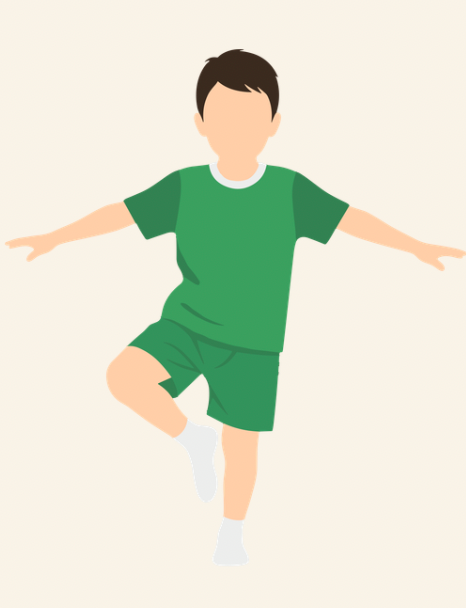
Try This: Single-Leg Balance Hold
Stand on one foot for 20-30 seconds
Keep your foot tripod grounded (heel, base of big toe, base of pinky toe)
Progress by turning your head, closing your eyes, or reaching with your arms
This is a great exercise for both kids and adults and can easily be added into a warm-up routine.
Hip Mobility and Rotation
The hips play a major role in running, kicking, and rotational movement. When the hips become stiff, other areas like the low back or knees often work harder to compensate.
Try This: 90/90 Hip Rotations
Sit on the floor with both knees bent at 90 degrees
Rotate your legs side to side while keeping your chest tall
Move slowly and stay controlled
This exercise helps improve hip mobility and body awareness while encouraging rotational movement.
Foot and Ankle Control
Your feet are your foundation. In sports and everyday life they help absorb force, create stability, and transfer energy through the body. Poor foot and ankle control can sometimes contribute to issues higher up the chain, including the knees or hips.
Try This: Calf Raises with Slow Control
Rise up slowly onto your toes
Pause briefly at the top
Lower slowly over 3–4 seconds
You can progress to single-leg calf raises as strength and control improve.

Rotational Strength and Coordination
Sports involve far more rotation than many people realize. Rotational control is important for running, throwing, changing direction, and even walking efficiently.
Try This: Dead Bugs
Lie on your back with arms and legs in the air
Slowly extend opposite arm and leg while keeping your ribs and lower back controlled
Alternate sides slowly
This helps improve core control and coordination without needing advanced exercises.
Deceleration and Control
One of the biggest injury risks in sports often occurs when slowing down or changing direction, not just during sprinting itself. Teaching the body how to absorb force well is incredibly valuable for both kids and adults.

Try This: Step-Downs
Stand on a small step
Slowly lower one heel toward the floor
Keep the knee aligned over the foot
Push back up with control
This can help improve lower body control and awareness during movement.
Why Movement Quality Matters
When one area of the body isn’t moving well, another area often has to compensate. For example:
Limited ankle mobility may contribute to knee or hip discomfort
Poor hip control can affect balance and lower back tension
Weakness or instability through the feet can change how force travels through the body
This doesn’t always cause pain immediately. Often, the body adapts for weeks, months, or even years before symptoms show up. That’s why movement assessments from a sports chiropractor can be so valuable. Instead of only looking at where pain is located, we look at how the body moves as a whole.
What About Kids in Sports?
One of the biggest misconceptions is that kids are naturally “mobile” and therefore don’t need support or movement training. But children still benefit from:
balance and coordination work
strength development
recovery strategies
mobility exercises
learning how to move efficiently
Growth spurts can temporarily affect coordination, flexibility, and stability, which is why some kids suddenly become more prone to aches, soreness, or repeated injuries during sports seasons.
The goal isn’t to make youth sports more intense, it’s to help kids build healthy movement habits that support them long-term.
Sports Chiropractor Supporting Active Families in Burnaby
At Tailored Health, we focus on how your body moves, not just where it hurts. We help active adults and kids build better movement, recover well, and stay resilient through sports season.
If you’re looking for a chiropractor in Burnaby or Vancouver who works with movement, rehab, and active families, you can book here with our team at Tailored Health. We would love to help!


Comments