
MRI, X-Rays & Back Pain: Why Imaging Doesn't Always Explain Your Pain

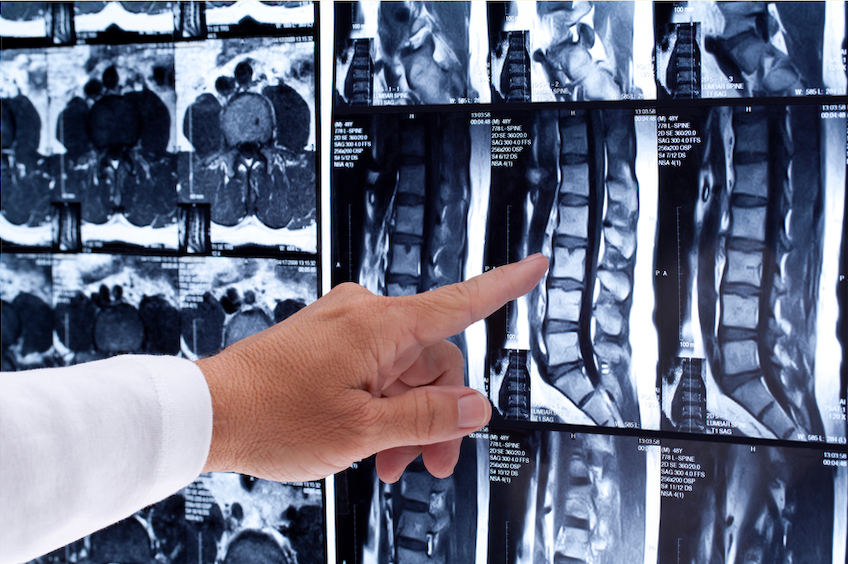
"My MRI says I have a bulging disc... does that mean I'll always have back pain?"
It's one of the most common questions I hear in practice.
Whether it's an MRI or X-ray, seeing words like arthritis, degeneration, or disc bulge on a report can be enough to make anyone worry.
But what if I told you that those findings are often only one small part of the picture?
At Tailored Health, one of the most common conversations I have with patients is helping them understand what their imaging actually means, and just as importantly, what it doesn't.
Imaging Gives Us Information, Not the Whole Story
Think of an MRI or an X-ray like a snapshot.
It captures what your body looks like at one moment in time, but it doesn't show how your body moves, how your nervous system is functioning, or how your symptoms change throughout the day.
That's why imaging is a tool, not a diagnosis on its own.
In some situations, it's incredibly valuable. It can help identify fractures, significant injuries, or conditions that need further medical attention. But for many common musculoskeletal problems, the scan is only one piece of a much larger puzzle.
What Research Has Taught Us About MRIs and Back Pain
One of the most fascinating discoveries in pain science is that many structural changes are surprisingly common, even in people who have no pain at all.
Large studies have found that people with no symptoms can still have:
Disc bulges
Disc herniations
Arthritis
Degenerative changes
At the same time, someone else may be experiencing significant pain while their imaging appears relatively normal.
This doesn't mean imaging is wrong. It simply reminds us that pain is more complex than what we can see on a scan.
So, What Else Influences Pain?
Pain isn't created by one tissue alone. Instead, it's your body's way of protecting you, and that response is influenced by many different factors.
Things like your movement habits, sleep, stress levels, previous injuries, overall health, and even how sensitive your nervous system has become can all play a role.
Imagine two people with identical MRI reports. One continues hiking every weekend without any discomfort, while the other struggles to sit through a work meeting because of back pain.
Their scans may look similar, but their experiences are completely different. That's because pain isn't just about what your tissues look like, it's about how your whole body is functioning.
Why a Thorough Assessment Matters

This is one of the reasons your first chiropractic appointment involves much more than looking at imaging.
We'll talk about your symptoms, your lifestyle, your goals, and how your pain behaves. We'll assess how you move, how your joints and muscles are working together, and whether there are any signs that suggest further investigation is needed.
Sometimes imaging helps answer important questions. Other times, the physical examination tells us far more than the scan ever could.
Neither is better, they simply provide different pieces of information.
Does This Mean Imaging Isn't Useful?
Not at all. Imaging plays an important role when we suspect fractures, serious pathology, or when the results will change how we manage your care. In those situations, an MRI or X-ray can provide valuable information.
The challenge comes when we give imaging too much power.
It's easy to assume that every ache must be explained by something written in a radiology report. But many of the changes described on imaging are a normal part of getting older, much like wrinkles on our skin or grey hairs.
They tell us that change has occurred, not necessarily that something is damaged or needs to be "fixed."
You Are More Than Your Scan
One of my favourite things to tell patients is that we don't treat MRI reports or X-rays, we treat people.
Your scan can't tell us how determined you are to get back to running, playing with your kids, or sleeping through the night without pain.
It can't measure your strength, your confidence, or your body's incredible ability to adapt.
Those are the things that often make the biggest difference in recovery.
What Should You Do if Your MRI Shows a Bulging Disc or Arthritis?
If you've been told you have a bulging disc, arthritis, or degenerative changes, try not to panic. These findings are incredibly common and don't automatically explain why you're in pain, or what your future will look like.
The best place to start is with a thorough assessment that looks at you as a whole person, not just your imaging. Understanding how you move, how your symptoms behave, and what your goals are often provides far more insight than the scan alone.
At Tailored Health here in Burnaby, we combine your health history, movement assessment, physical examination, and, when appropriate, your imaging results to build a treatment plan that's tailored specifically to you.
If you're struggling with back pain, neck pain, headaches, or joint pain and you're unsure what your MRI actually means, you can book an initial assessment here. We'd be happy to help you understand your results, answer your questions, and create a plan to help you move forward with confidence.


Comments