
Your Postpartum Guide to Core Recovery in Burnaby
- Taylor Austin
- Feb 11
- 4 min read

Updated: Mar 10
Pregnancy changes your body in incredible ways, and your core is no exception. If you’re newly postpartum (or even years postpartum) in Burnaby and noticing:
A lingering “pooch” in your abdomen
Core weakness
Back pain
Pelvic heaviness
Difficulty returning to exercise
Feeling disconnected from your midsection
You might be wondering about diastasis recti (and more importantly, how to safely rebuild your core). Let’s break it down.
Understanding Diastasis Recti
Diastasis recti is a natural separation of the abdominal muscles that occurs during pregnancy as your uterus expands. The connective tissue between your rectus abdominis (“six-pack muscles”) stretches to make space for your growing baby.
This separation is normal during pregnancy.

What matters postpartum is:
How well the tissue regains tension
How your deep core muscles are functioning
Whether you’re experiencing symptoms
It’s not just about the “gap.” It’s about function, pressure control, and strength.
The Core: More Than Just Abs
Your core is more than your abdominal muscles. Think of your core as a pressure system made up of:
Diaphragm (top)
Deep abdominal muscles (front + sides)
Pelvic floor (bottom)
Multifidus + deep spinal stabilizers (back)
During pregnancy:
The diaphragm shifts
The abdominal wall stretches
The pelvic floor adapts to load
Your breathing mechanics change
After birth, we want to restore:
Breath coordination
Deep core activation
Tension through connective tissue
Functional strength
Not just flatten your stomach.
Why Crunches Aren’t the Answer
Jumping back into planks, crunches, or high-intensity workouts too quickly can:
Increase intra-abdominal pressure
Delay healing
Worsen symptoms
Contribute to pelvic floor dysfunction
Instead, postpartum recovery starts with something much simpler:
Breathing.
Step 1: Reconnect to Your Breath
Your diaphragm and pelvic floor work together. Try this:
360° Breathing

Lie on your back with knees bent or sit upright.
Inhale slowly through your nose.
Feel your ribs expand side-to-side and into your back.
Exhale gently through your mouth.
Let your ribs soften down without forcefully sucking your stomach in.
Focus on expansion rather than bracing. This helps:
Restore pressure regulation
Support connective tissue healing
Re-engage deep core muscles
Practice for 2-3 minutes daily.
Step 2: Gentle Deep Core Activation
Once breathing feels coordinated, you can layer in subtle activation.
Heel Slides + Marches
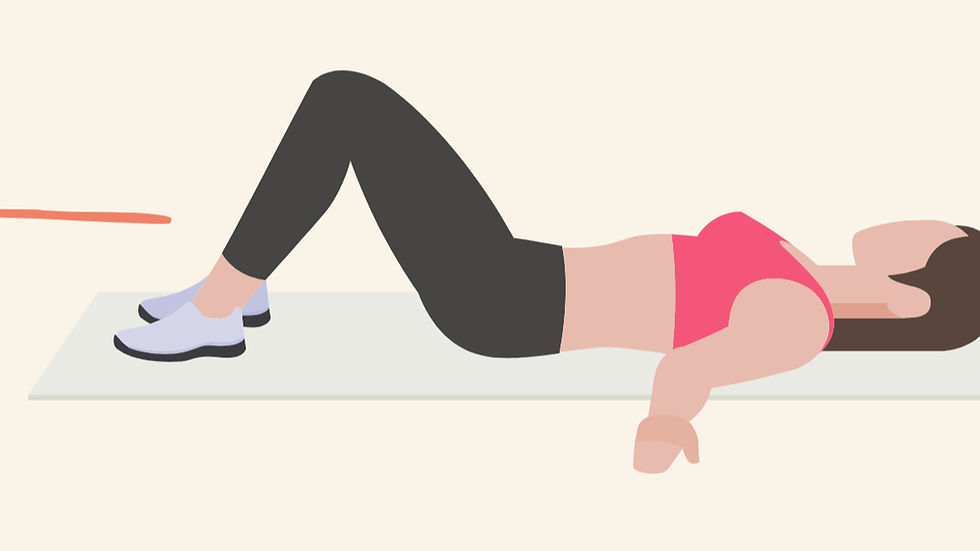

Inhale to prepare
Exhale gently as you slide one heel away; when you bring it back, march the same knee in towards the chest
Maintain rib alignment
Avoid doming or bulging through the midline
Slow and controlled is the goal. You should feel:
Light lower abdominal engagement
Stability without strain
Step 3: Gradual Functional Strength
As healing progresses, exercises like:
Dead bugs (modified)
Supported bridges
Side-lying work
Farmer carries (later stage)
Anti-rotation exercises
These help integrate the core into real-life movement, like carrying your baby, lifting a car seat, or getting up off the floor.
Signs You May Need More Support
Consider an assessment if you notice:
Doming or coning along the midline
Persistent abdominal bulging
Pelvic pressure or leaking
Ongoing low back pain
Pain with exercise
Recovery isn’t about “waiting it out.” It’s about restoring function with guidance.
How Chiropractic Care Supports Postpartum Core Recovery
In my practice, postpartum care focuses on:
Restoring rib and diaphragm mobility
Improving breathing mechanics
Supporting pelvic alignment
Reducing tension patterns
Teaching coordinated core activation
Because healing your core isn’t just about muscle strength; it’s about nervous system regulation and functional integration. Your body just grew and birthed a human. It deserves thoughtful care.
A Gentle Reminder

You do not need to:
“Bounce back”
Shrink your body
Erase evidence of pregnancy
You deserve to:
Feel strong
Feel supported
Move without pain
Trust your body again
Core recovery is not a race. It’s a process. And it’s never too late to begin, whether you’re 6 weeks or 6 years postpartum.
Ready to Rebuild From the Inside Out in Burnaby?
If you’re postpartum and want support restoring your core safely and effectively, I’d love to help.
Book an assessment, and we’ll:
Evaluate abdominal function
Assess breathing and pressure patterns
Create a personalized recovery plan
Help you return to movement confidently
You don’t have to figure this out alone.
The Importance of Community Support
As you embark on your journey to core recovery, remember that you are not alone. Connecting with others who share similar experiences can be incredibly beneficial. Consider joining local support groups or online forums where you can share your journey, ask questions, and receive encouragement.
Nutrition and Core Health
Nutrition plays a vital role in your recovery. Eating a balanced diet rich in whole foods can support your body’s healing process. Focus on incorporating plenty of fruits, vegetables, lean proteins, and healthy fats. Staying hydrated is equally important.
Mindfulness and Self-Care
Incorporating mindfulness practices into your daily routine can enhance your recovery. Simple techniques like meditation, gentle yoga, or even a short walk can help reduce stress and improve your overall well-being.
Celebrate Small Wins
As you progress, take time to celebrate your achievements, no matter how small. Whether it's completing a set of exercises or simply feeling more connected to your body, each step forward is a victory.
Conclusion: Your Journey to Wellness
Remember, core recovery is a journey, not a destination. With patience, support, and the right guidance, you can reclaim your strength and confidence. Embrace this time as an opportunity to nurture yourself and build a healthier future.
You don’t have to figure this out alone.


Comments